اردو
اردو
 العربية
Photo Gallery & Respected Faculty Profiles - Jamia Islamia Banna Allai
🧔 Respected Faculty of Jamia Islamia
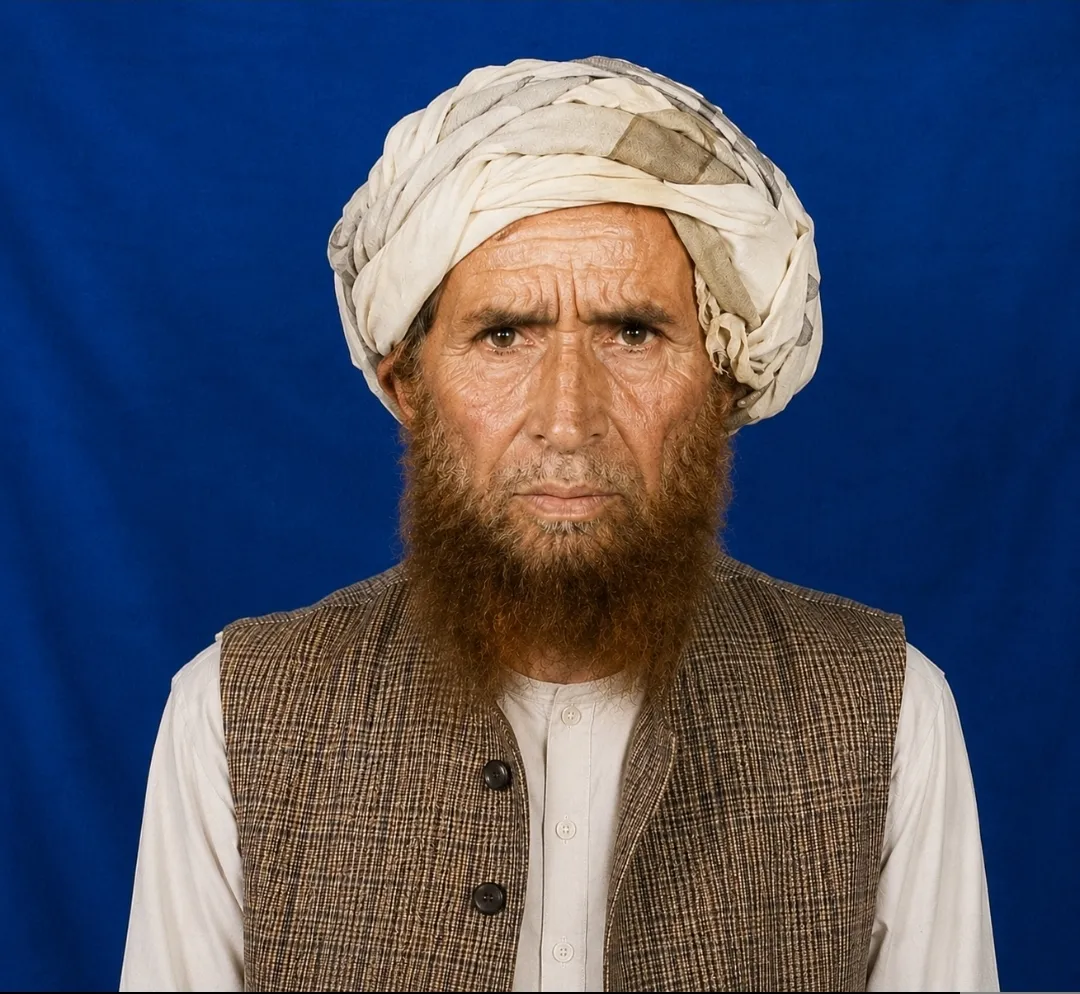
Maulana Ghulam Sarwar (RA)
Founder of the JamiaBiography: The Thinker of Islam, Hadhrat Maulana Ghulam Sarwar (RA)
Founder of: Jamia Islamia Allai
Early Life and Foundational Education
Hadhrat Maulana Ghulam Sarwar (RA), son of the late Akbar Khan (RA), belonged to the honorable and affluent Swati Pathan clan of the Allai Valley. He was born around 1917 in "Banna," a remote yet historically significant village in Allai. He received his foundational education and Quranic recitation directly under the benevolent guidance of his respected father.
Quest for Knowledge and Academic Attainment at Darul Uloom Deoband
Driven by an insatiable thirst for sacred knowledge, Maulana Ghulam Sarwar left the comfort of his home during his early youth and traveled to Abbottabad. There, he spent approximately twelve years under the rigorous mentorship of the eminent scholar Maulana Muhammad Alam Nugrami (later Kashmiri), traveling across Abbottabad, Ahmadabad, and occupied Kashmir to master the Islamic sciences.
To further quench his academic thirst, he journeyed to the prestigious crown jewel of Islamic seminaries in South Asia, **Darul Uloom Deoband**. At Deoband, he studied directly under the global icons of Islamic scholarship, including:
* Sheikh-ul-Islam Maulana Hussain Ahmed Madani (RA)
* Sheikh-ul-Adab Maulana Izaz Ali (RA)
* Maulana Fakhrul Hasan (RA)
* Maulana Abdul Haq (RA)
* Maulana Abdul Samie (RA)
* Maulana Muhammad Ibrahim (RA)
In 1948, he graduated with distinction, earning the prestigious title and degree of "Fazil-e-Deoband."
Teaching Legacy and the Foundation of a Great Seminary
Following his graduation, Maulana Ghulam Sarwar served dedicatedly for three consecutive years (until 1951) at the Darul Ifta (Department of Islamic Jurisprudence) of Darul Uloom Deoband. Later, at the personal request of his revered mentor, Sheikh-ul-Adab Maulana Izaz Ali, he assumed the prestigious position of Head Teacher (Sadr Mudarris) at Madrasa Anwar-ul-Uloom in Ahmadabad.
In 1952, he returned to his roots in the Allai Valley, initiating structured classes in Islamic theology and jurisprudence at his village mosque. Students from far and wide flocked to this beacon of guidance to acquire prophetic knowledge. A deeply inspiring aspect of his life was that he provided these educational services entirely pro bono, refusing any salary or worldly remuneration. While local villagers gathered bread for the students, any deficit in food or lodging was generously covered by the Maulana from his personal finances.
His ultimate ongoing charity (Sadqah Jariyah) was educating all four of his sons to become profound Islamic scholars and donating his self-purchased land to lay the foundation of a grand seminary—**Jamia Islamia Allai**. Today, his capable sons manage this great institution, which currently provides advanced education up to the Dawrah-e-Hadith (Master's level), with a faculty of around fifteen distinguished scholars.
Political Activism and the Historic Transformation of Allai
Having been politically awakened under the direct tutelage of Sheikh-ul-Islam Maulana Hussain Ahmed Madani (RA), political consciousness and a zeal for freedom were embedded in Maulana Ghulam Sarwar's character. He initiated a structured political struggle through the platform of the **Jamiat Ulema-e-Islam (JUI)** to champion the rights of the poor and marginalized. Since Allai was a disenfranchised tribal territory, his heartfelt desire was to integrate the region into the mainstream national fabric to foster development.
During the historic general elections of 1970, held on the basis of adult franchise, JUI nominated Maulana Abdul Hakim (RA) as its candidate for the constituency. Local scholars risked their lives, launching a perilous yet highly spirited campaign that achieved the seemingly impossible: the underprivileged JUI candidate decisively defeated the immensely powerful and influential local feudal lord, Nawab Muhammad Ayub Khan.
In the aftermath of the election, the poor populace faced severe political victimization from the Nawab’s faction. In response, a high-level JUI delegation from Allai—spearheaded by Maulana Ghulam Sarwar, Haji Muhammad Ayub Shaheed (of Nugram), and Haji Shams-ur-Rahman (of Rashing)—met with central JUI leaders, Maulana Mufti Mahmood (RA) and Maulana Ghulam Hazarvi (RA), under the leadership of Maulana Abdul Hakim. Consequently, these elders facilitated a high-stakes meeting between the delegation and the President of Pakistan, General Yahya Khan, where the plight of Allai's oppressed people was fully exposed.
The meeting yielded immediate, historic results. The following day, national newspapers published the account in bold headlines. President Yahya Khan issued an immediate executive order abolishing Allai's tribal status and integrating it into the settled districts. Consequently, the Pakistan Army entered the valley, and on **Friday, February 12, 1971**, the green and white flag of Pakistan was hoisted in Allai for the first time, marking the end of tyranny and ushering in an era of peace and development.
Leaving for the Heavenly Abode
After a long life dedicated to academic excellence, pious practice, and advocating for the oppressed, the sun finally set on Maulana Ghulam Sarwar's earthly life. As the final sun of 1996 went down, specifically at the time of **Asr prayers on December 31, 1996**, he breathed his last and returned to his Creator.
(Inna lillahi wa inna ilayhi raji'un). May Allah Almighty rain boundless blessings upon his final resting place and elevate his ranks in Jannah. Ameen.
Biography: The Thinker of Islam, Hadhrat Maulana Ghulam Sarwar (RA)
Founder of: Jamia Islamia Allai
Early Life and Foundational Education
Hadhrat Maulana Ghulam Sarwar (RA), son of the late Akbar Khan (RA), belonged to the honorable and affluent Swati Pathan clan of the Allai Valley. He was born around 1917 in "Banna," a remote yet historically significant village in Allai. He received his foundational education and Quranic recitation directly under the benevolent guidance of his respected father.
Quest for Knowledge and Academic Attainment at Darul Uloom Deoband
Driven by an insatiable thirst for sacred knowledge, Maulana Ghulam Sarwar left the comfort of his home during his early youth and traveled to Abbottabad. There, he spent approximately twelve years under the rigorous mentorship of the eminent scholar Maulana Muhammad Alam Nugrami (later Kashmiri), traveling across Abbottabad, Ahmadabad, and occupied Kashmir to master the Islamic sciences.
To further quench his academic thirst, he journeyed to the prestigious crown jewel of Islamic seminaries in South Asia, **Darul Uloom Deoband**. At Deoband, he studied directly under the global icons of Islamic scholarship, including:
* Sheikh-ul-Islam Maulana Hussain Ahmed Madani (RA)
* Sheikh-ul-Adab Maulana Izaz Ali (RA)
* Maulana Fakhrul Hasan (RA)
* Maulana Abdul Haq (RA)
* Maulana Abdul Samie (RA)
* Maulana Muhammad Ibrahim (RA)
In 1948, he graduated with distinction, earning the prestigious title and degree of "Fazil-e-Deoband."
Teaching Legacy and the Foundation of a Great Seminary
Following his graduation, Maulana Ghulam Sarwar served dedicatedly for three consecutive years (until 1951) at the Darul Ifta (Department of Islamic Jurisprudence) of Darul Uloom Deoband. Later, at the personal request of his revered mentor, Sheikh-ul-Adab Maulana Izaz Ali, he assumed the prestigious position of Head Teacher (Sadr Mudarris) at Madrasa Anwar-ul-Uloom in Ahmadabad.
In 1952, he returned to his roots in the Allai Valley, initiating structured classes in Islamic theology and jurisprudence at his village mosque. Students from far and wide flocked to this beacon of guidance to acquire prophetic knowledge. A deeply inspiring aspect of his life was that he provided these educational services entirely pro bono, refusing any salary or worldly remuneration. While local villagers gathered bread for the students, any deficit in food or lodging was generously covered by the Maulana from his personal finances.
His ultimate ongoing charity (Sadqah Jariyah) was educating all four of his sons to become profound Islamic scholars and donating his self-purchased land to lay the foundation of a grand seminary—**Jamia Islamia Allai**. Today, his capable sons manage this great institution, which currently provides advanced education up to the Dawrah-e-Hadith (Master's level), with a faculty of around fifteen distinguished scholars.
Political Activism and the Historic Transformation of Allai
Having been politically awakened under the direct tutelage of Sheikh-ul-Islam Maulana Hussain Ahmed Madani (RA), political consciousness and a zeal for freedom were embedded in Maulana Ghulam Sarwar's character. He initiated a structured political struggle through the platform of the **Jamiat Ulema-e-Islam (JUI)** to champion the rights of the poor and marginalized. Since Allai was a disenfranchised tribal territory, his heartfelt desire was to integrate the region into the mainstream national fabric to foster development.
During the historic general elections of 1970, held on the basis of adult franchise, JUI nominated Maulana Abdul Hakim (RA) as its candidate for the constituency. Local scholars risked their lives, launching a perilous yet highly spirited campaign that achieved the seemingly impossible: the underprivileged JUI candidate decisively defeated the immensely powerful and influential local feudal lord, Nawab Muhammad Ayub Khan.
In the aftermath of the election, the poor populace faced severe political victimization from the Nawab’s faction. In response, a high-level JUI delegation from Allai—spearheaded by Maulana Ghulam Sarwar, Haji Muhammad Ayub Shaheed (of Nugram), and Haji Shams-ur-Rahman (of Rashing)—met with central JUI leaders, Maulana Mufti Mahmood (RA) and Maulana Ghulam Hazarvi (RA), under the leadership of Maulana Abdul Hakim. Consequently, these elders facilitated a high-stakes meeting between the delegation and the President of Pakistan, General Yahya Khan, where the plight of Allai's oppressed people was fully exposed.
The meeting yielded immediate, historic results. The following day, national newspapers published the account in bold headlines. President Yahya Khan issued an immediate executive order abolishing Allai's tribal status and integrating it into the settled districts. Consequently, the Pakistan Army entered the valley, and on **Friday, February 12, 1971**, the green and white flag of Pakistan was hoisted in Allai for the first time, marking the end of tyranny and ushering in an era of peace and development.
Leaving for the Heavenly Abode
After a long life dedicated to academic excellence, pious practice, and advocating for the oppressed, the sun finally set on Maulana Ghulam Sarwar's earthly life. As the final sun of 1996 went down, specifically at the time of **Asr prayers on December 31, 1996**, he breathed his last and returned to his Creator.
(Inna lillahi wa inna ilayhi raji'un). May Allah Almighty rain boundless blessings upon his final resting place and elevate his ranks in Jannah. Ameen.
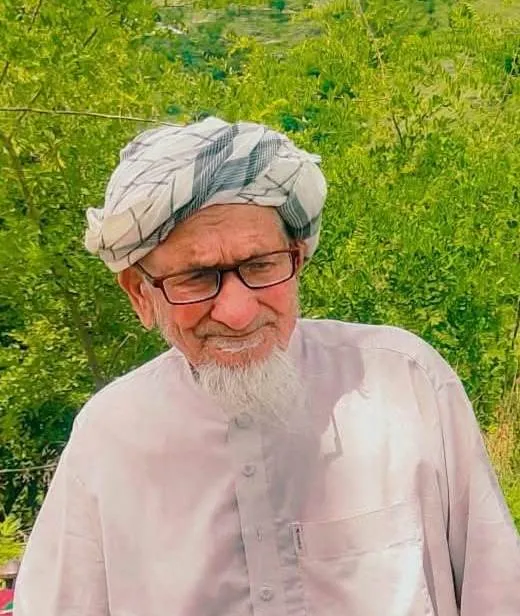
Maulana Aftab Shah
Hadith Teacher...
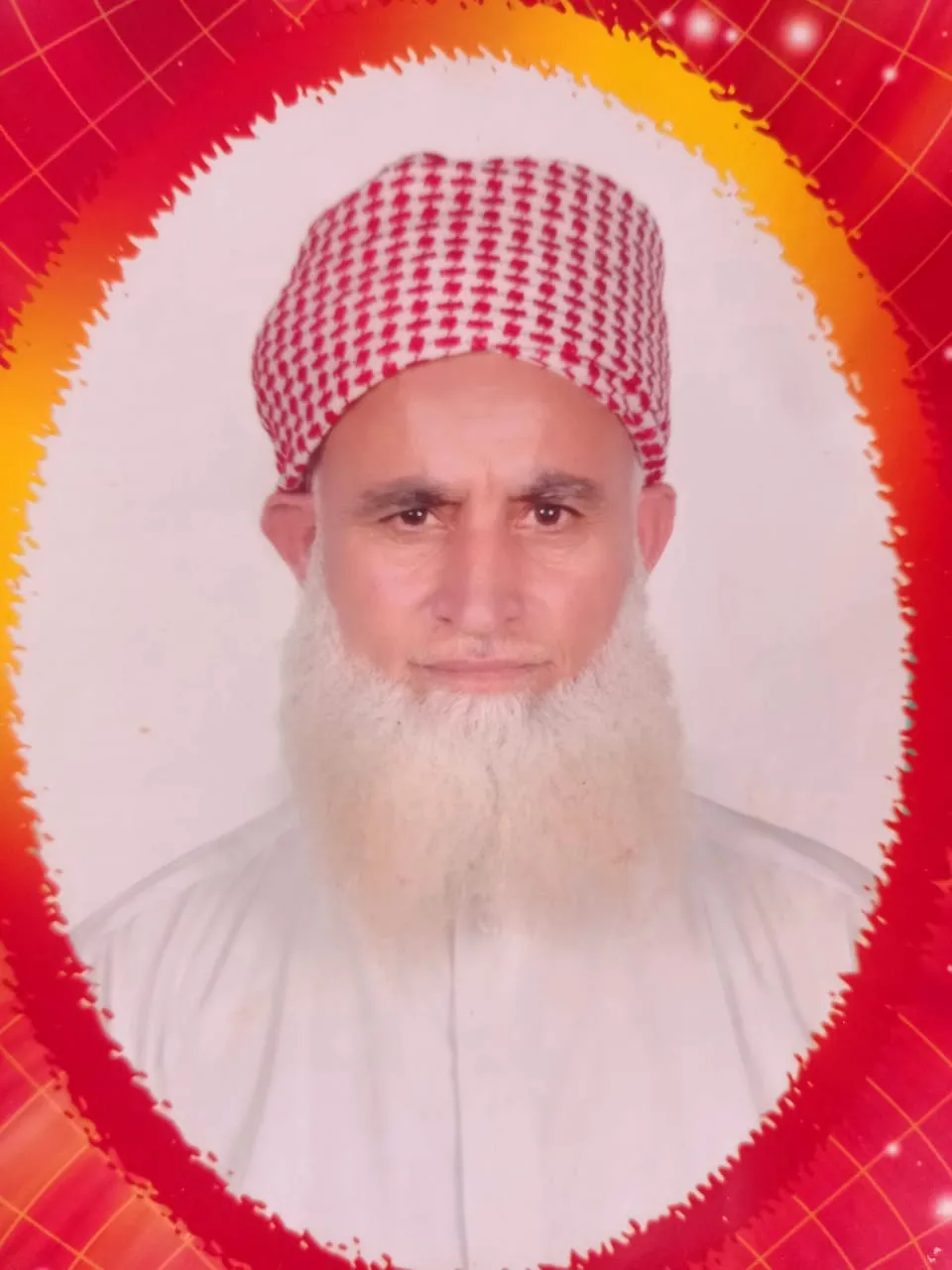
Molana Samiullah
ChancellorHadhrat Maulana Samiullah (Hafizahullah) is the esteemed Rector and Visionary Leader of Jamia Islamia Allai. After completing his foundational religious education, he pursued higher Islamic studies at the prestigious Jamia-tul-Uloom-il-Islamia, Allama Banori Town, Karachi—one of the most renowned and premier centers of Islamic learning in the Muslim world. His time at this elite institution profoundly shaped his academic prowess and intellectual vision.
Upon graduation, Maulana Samiullah dedicated his entire life to the service of Islam, the propagation of sacred knowledge, social reform, and the intellectual and moral nurturing of students. Under his dynamic and inspiring leadership, Jamia Islamia Allai has flourished into a model educational and spiritual hub, deeply rooted in the following core values:
* The pristine teachings of the Holy Qur'an and Sunnah.
* The preservation of orthodox Islamic beliefs, practices, and ethics.
* Cultivating high moral standards, sincerity, and a profound spirit of community service among students.
Maulana’s profound scholarly insight, exceptional administrative acumen, selflessness, humility, and compassionate mentorship have been instrumental in transforming the Jamia into a highly structured and reputable institution. He has always passionately advocated that students of Islamic knowledge must bridge the gap between academic excellence and practical implementation, embodying piety, sincerity, and an unwavering commitment to serving humanity.
May Allah Almighty accept Hadhrat Maulana Samiullah’s invaluable religious, academic, and reformative contributions, bless his life and knowledge with abundance, and grant him the strength and steadfastness to continue serving the cause of Islam for years to come. Ameen.
Hadhrat Maulana Samiullah (Hafizahullah) is the esteemed Rector and Visionary Leader of Jamia Islamia Allai. After completing his foundational religious education, he pursued higher Islamic studies at the prestigious Jamia-tul-Uloom-il-Islamia, Allama Banori Town, Karachi—one of the most renowned and premier centers of Islamic learning in the Muslim world. His time at this elite institution profoundly shaped his academic prowess and intellectual vision.
Upon graduation, Maulana Samiullah dedicated his entire life to the service of Islam, the propagation of sacred knowledge, social reform, and the intellectual and moral nurturing of students. Under his dynamic and inspiring leadership, Jamia Islamia Allai has flourished into a model educational and spiritual hub, deeply rooted in the following core values:
* The pristine teachings of the Holy Qur'an and Sunnah.
* The preservation of orthodox Islamic beliefs, practices, and ethics.
* Cultivating high moral standards, sincerity, and a profound spirit of community service among students.
Maulana’s profound scholarly insight, exceptional administrative acumen, selflessness, humility, and compassionate mentorship have been instrumental in transforming the Jamia into a highly structured and reputable institution. He has always passionately advocated that students of Islamic knowledge must bridge the gap between academic excellence and practical implementation, embodying piety, sincerity, and an unwavering commitment to serving humanity.
May Allah Almighty accept Hadhrat Maulana Samiullah’s invaluable religious, academic, and reformative contributions, bless his life and knowledge with abundance, and grant him the strength and steadfastness to continue serving the cause of Islam for years to come. Ameen.
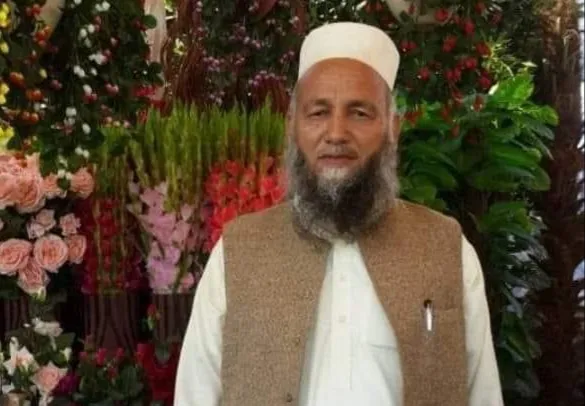
Molana Habibullah Numani
Shaikh ul hadith...
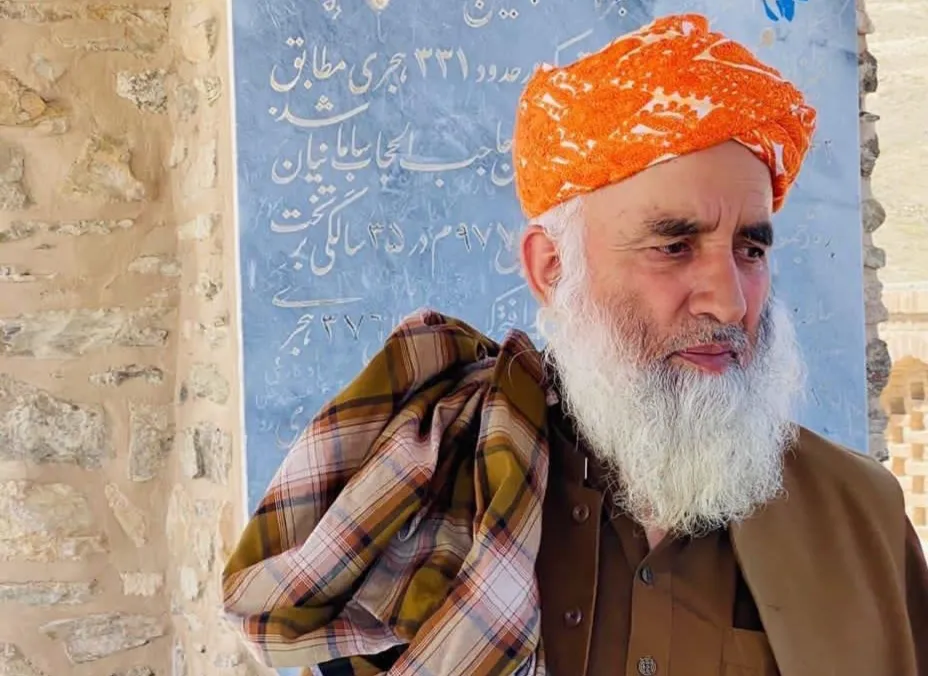
Maulana Shaikh Anwarulhaq
Voice chancellorCurrently not available
Please wait
Currently not available
Please wait
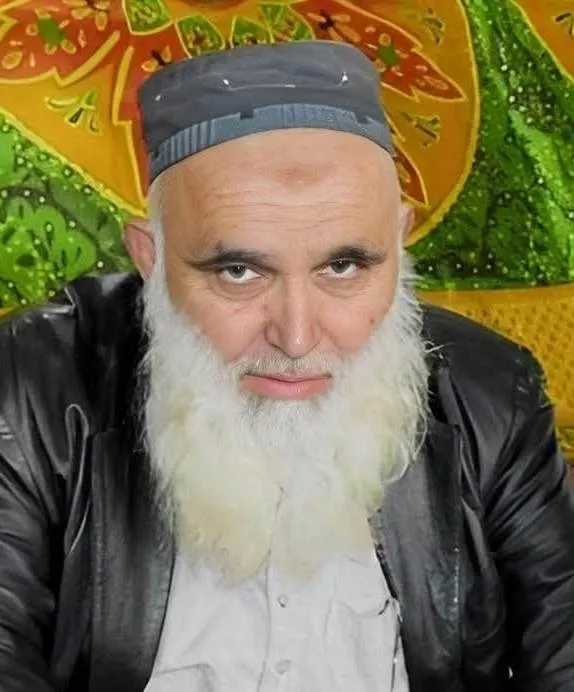
Maulana Abdul Rasheed
Hadith Teacher...
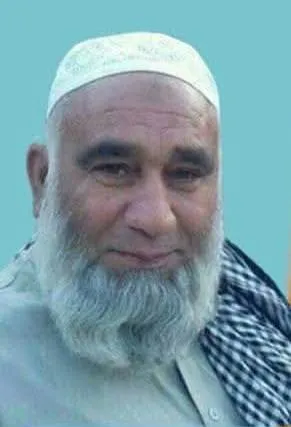
Maulana Inayatullah
Hadith Teacher...
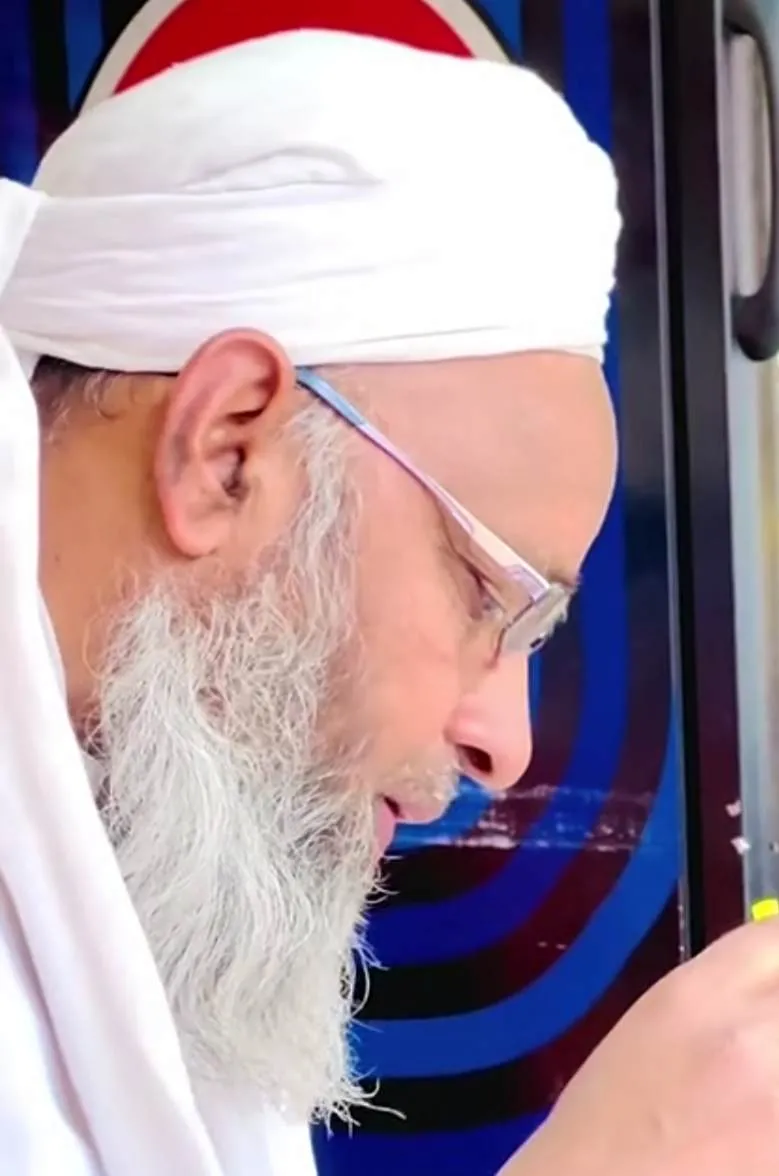
Maulana Habibullah Raheemi
Hadith Teacher...

Maulana Sirajulhaq Sahib
Academic director...

Maulana Inayaturrahman
Teacher...

Maulana Ihsanulhaq Afaqi
Teacher...

Maulana Muhammad Haneef
Teacher...
📸 Jamia Islamia Photo Album
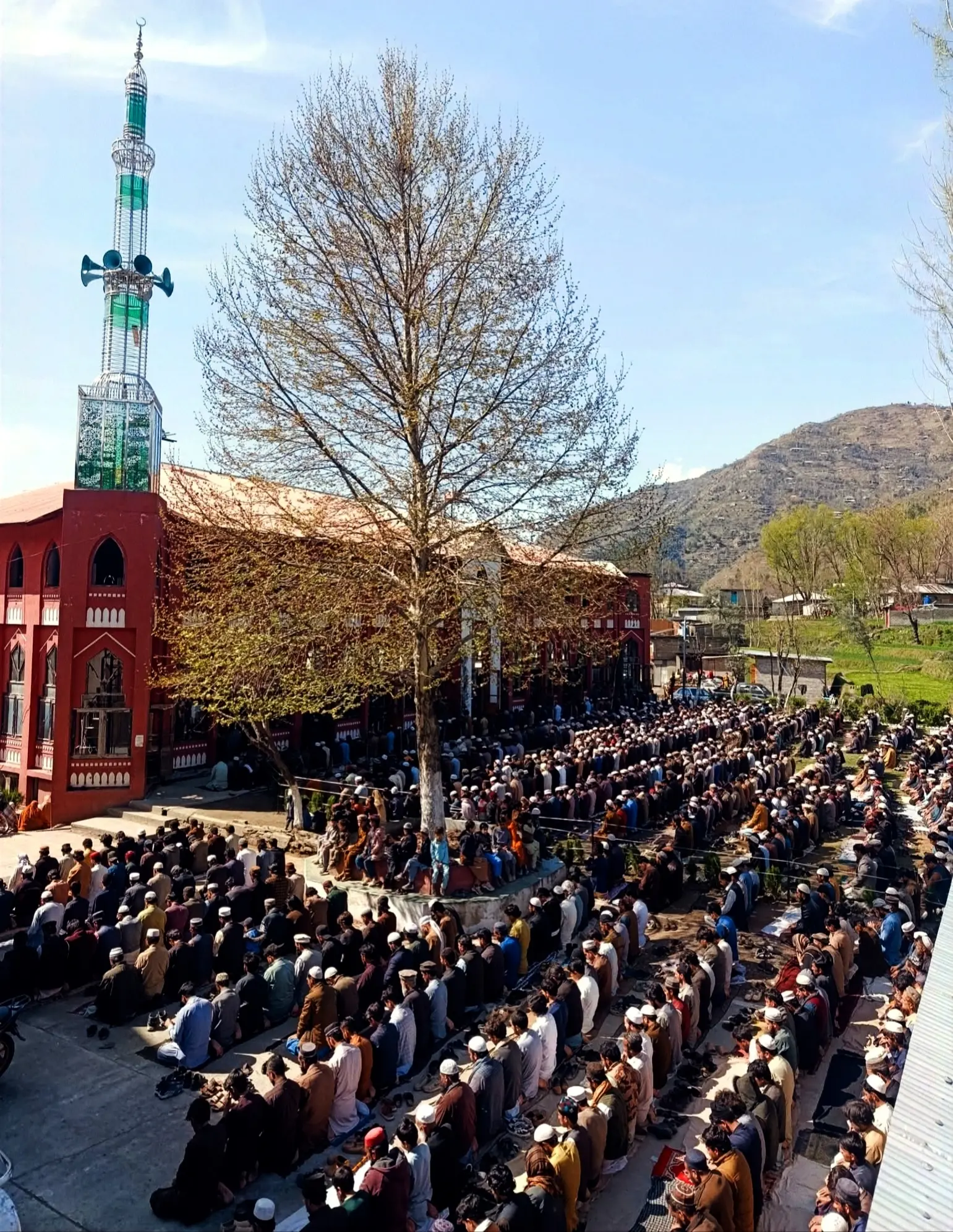
Friday prayer

Jamia islamia Allai
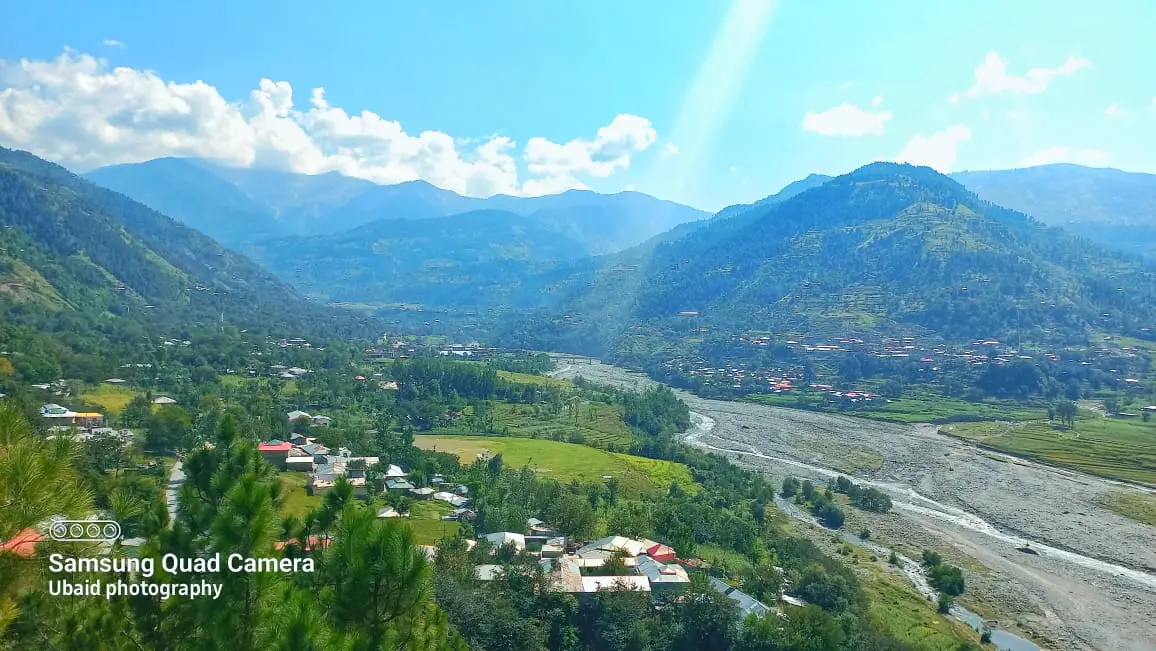
Allai valley
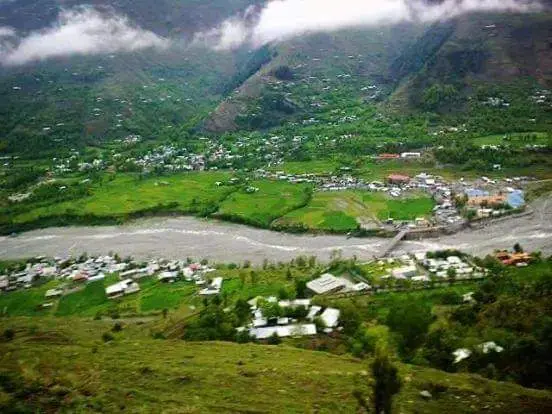
Allai valley
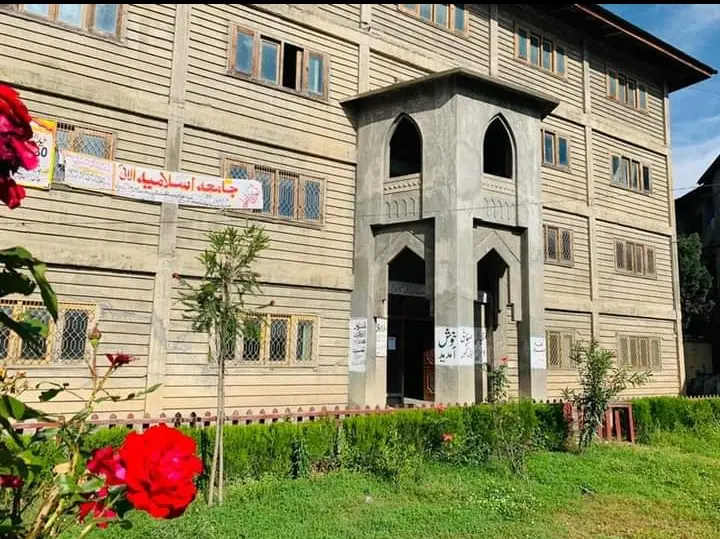
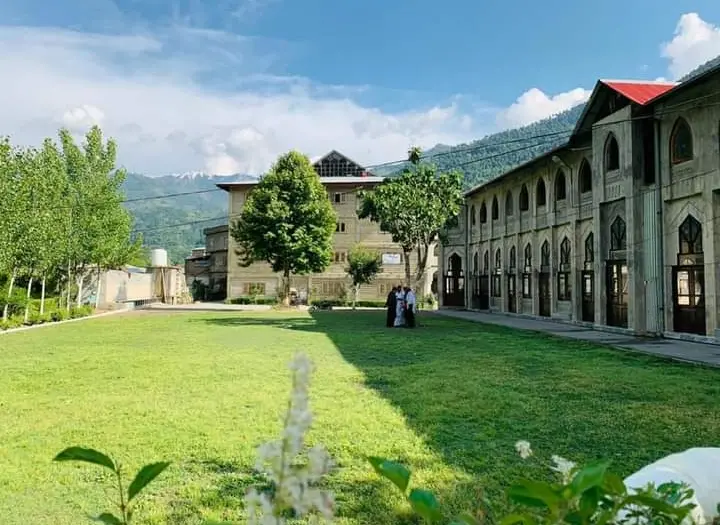
Jamia islamia Allai
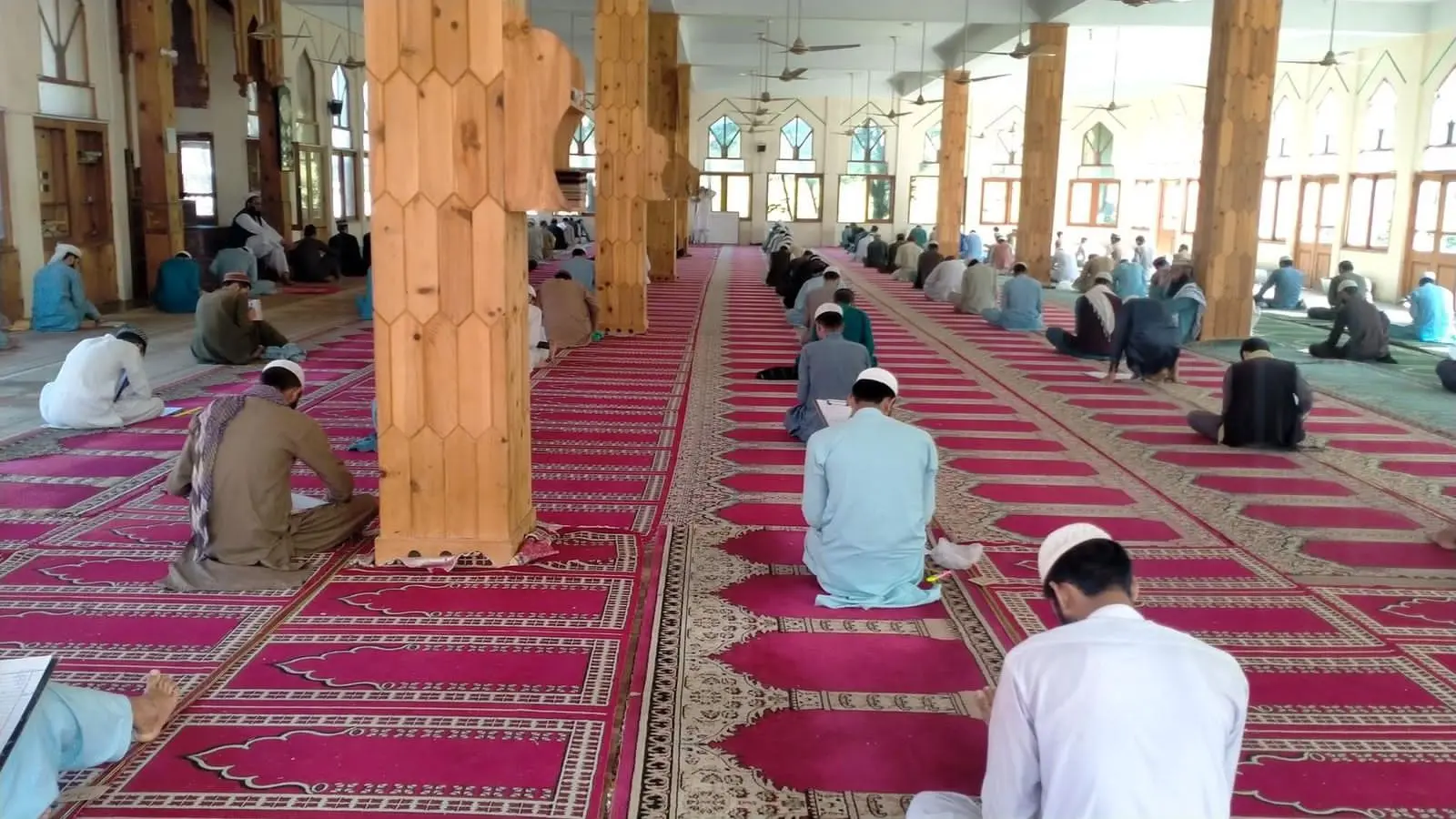
Examination

Library
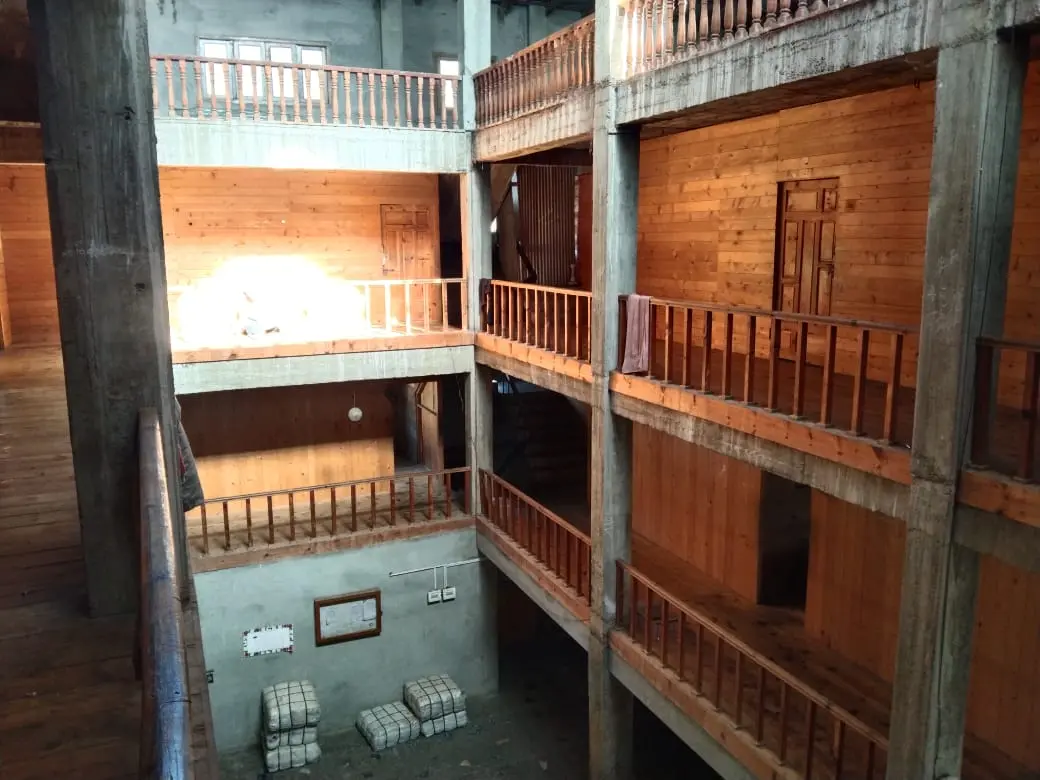
Inside madrasa
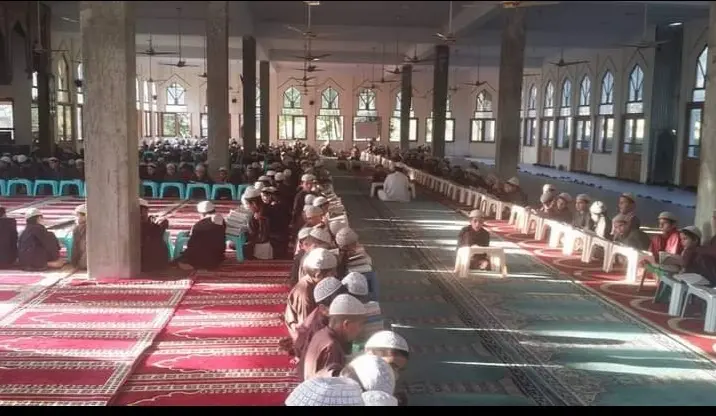
Inside Masjid
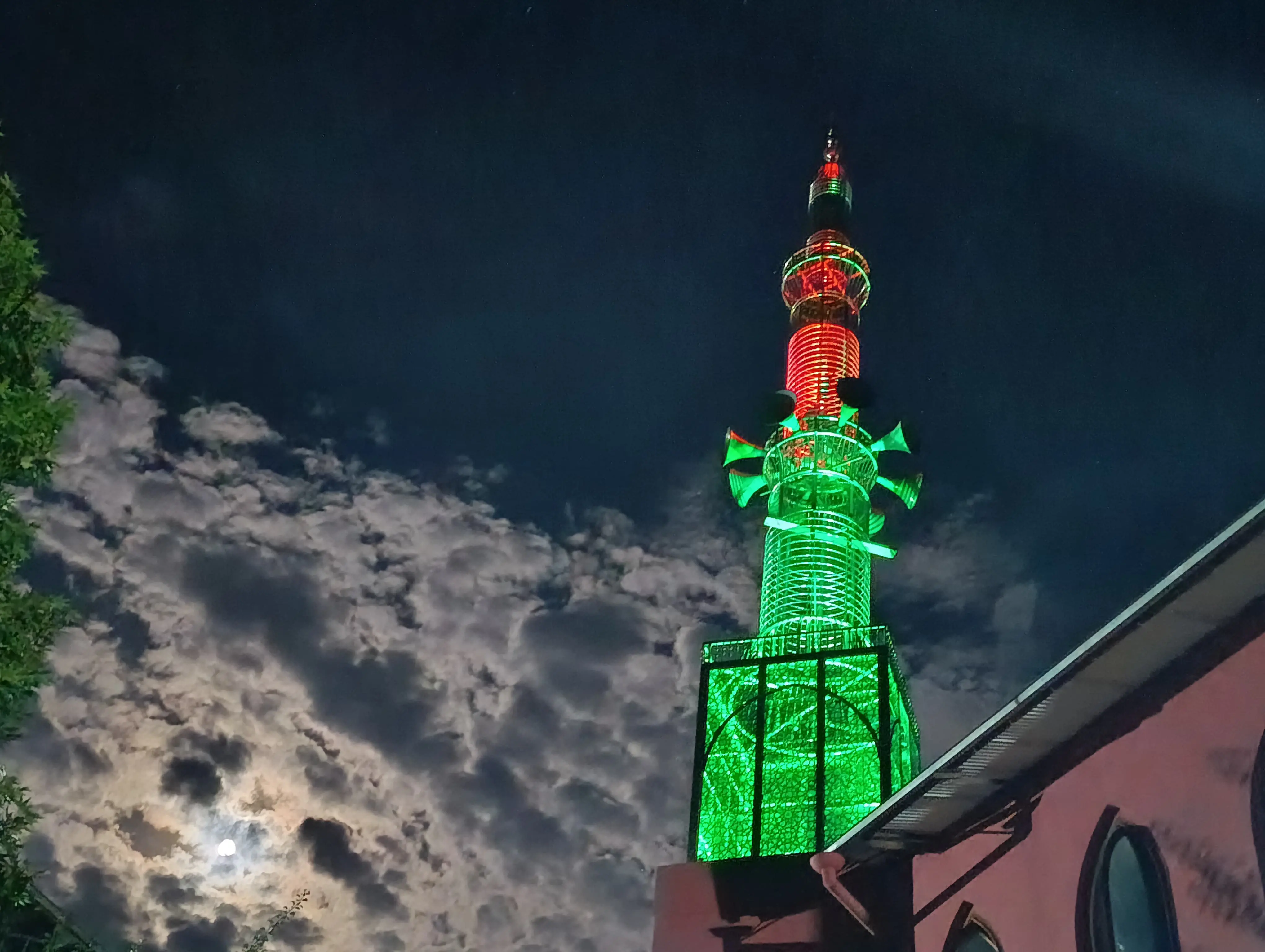
Beautiful minaret
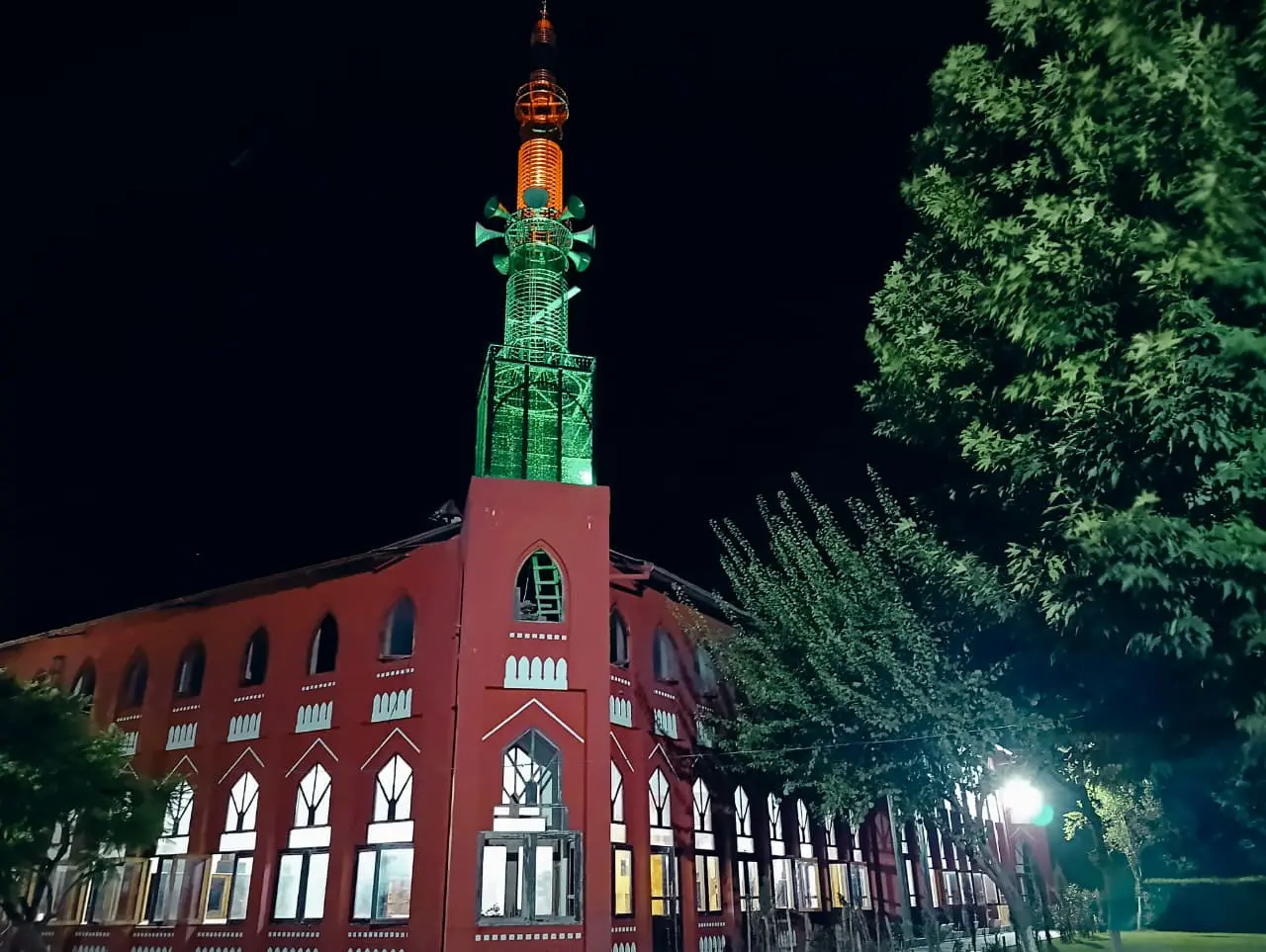
Beautiful minaret
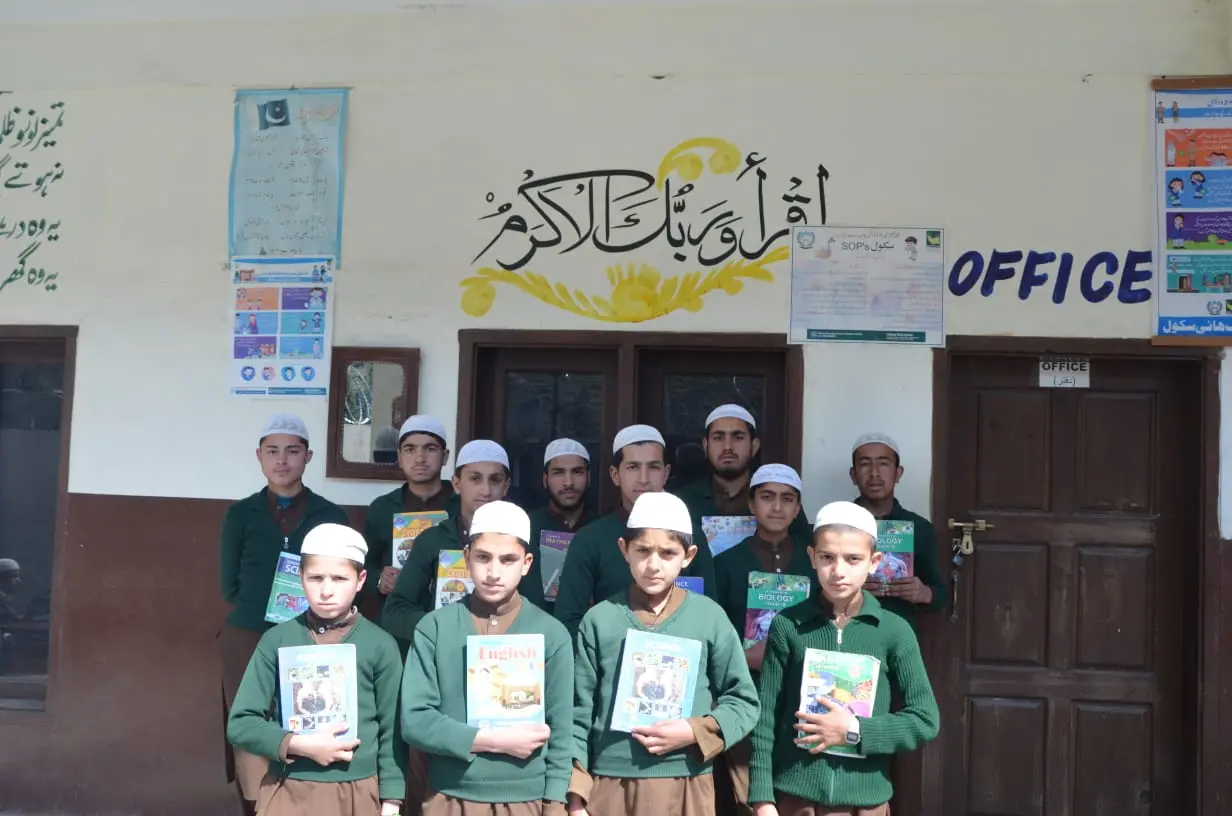
School students
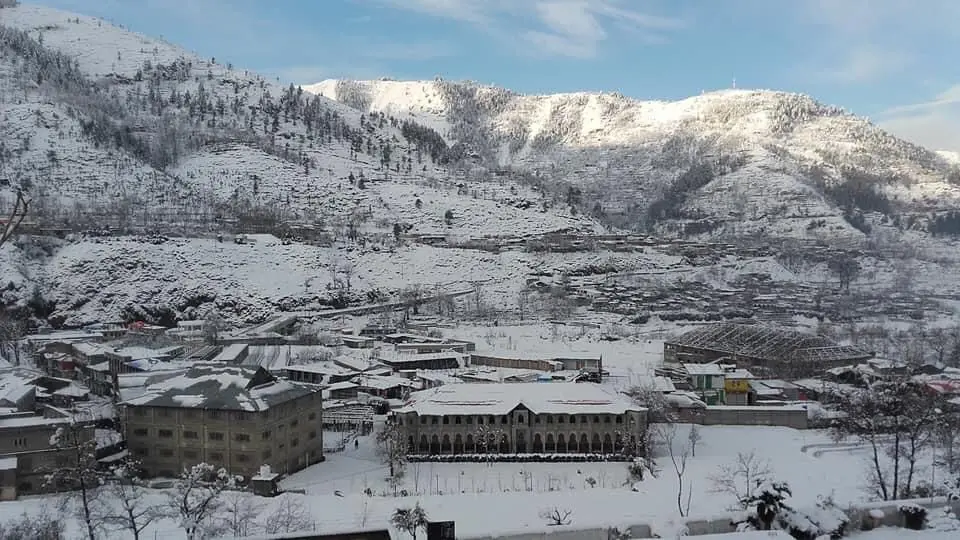
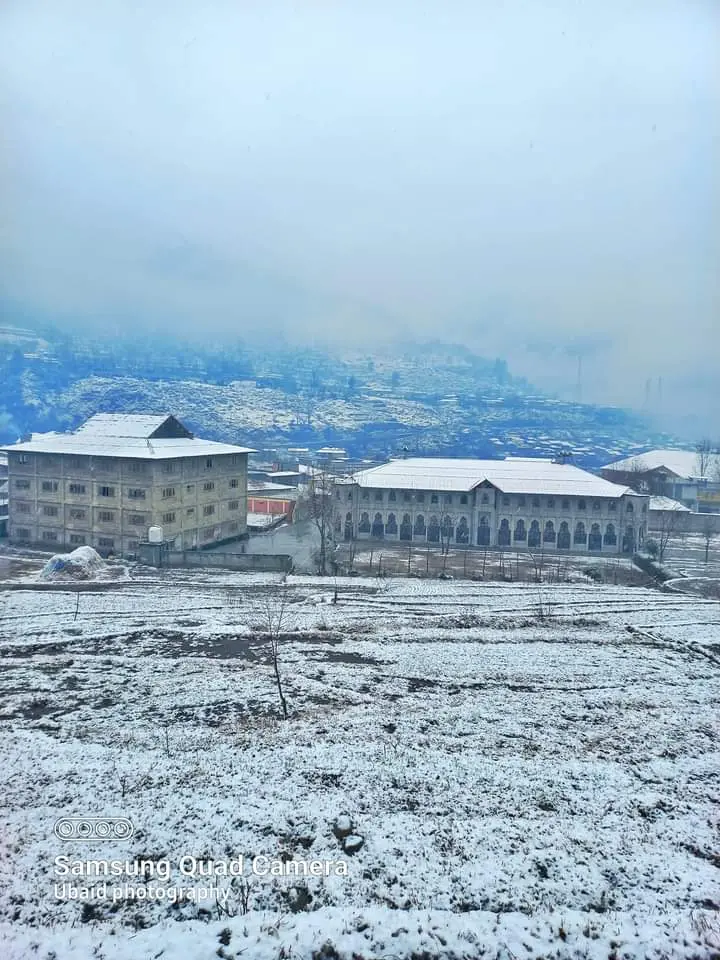
In the snowy season
In the snowy season
Jamia islamia Allai

Jamia islamia Allai

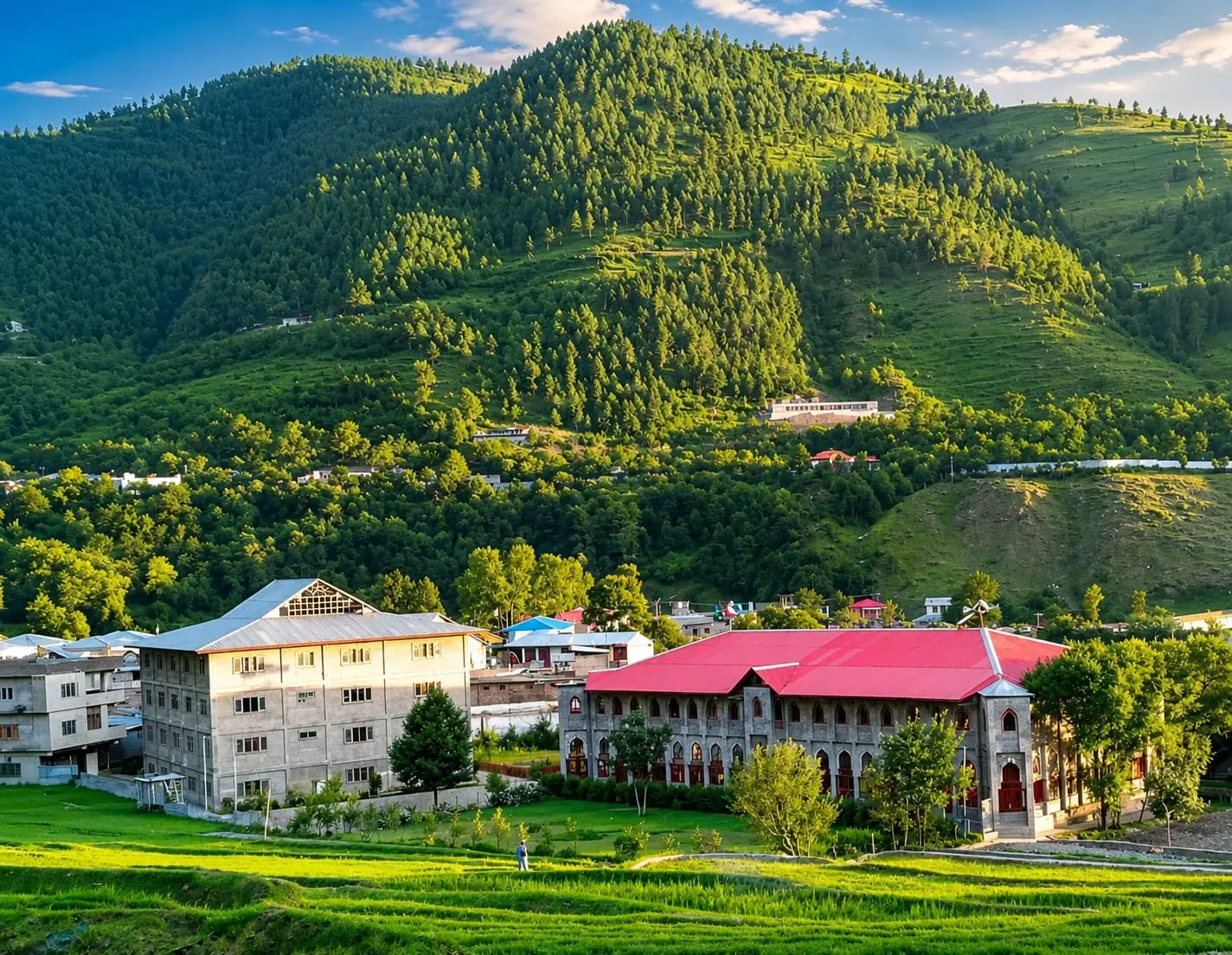
Beautiful campus view

Grand Masjid Baiturrahman
Spiritual environment
Beautiful campus view
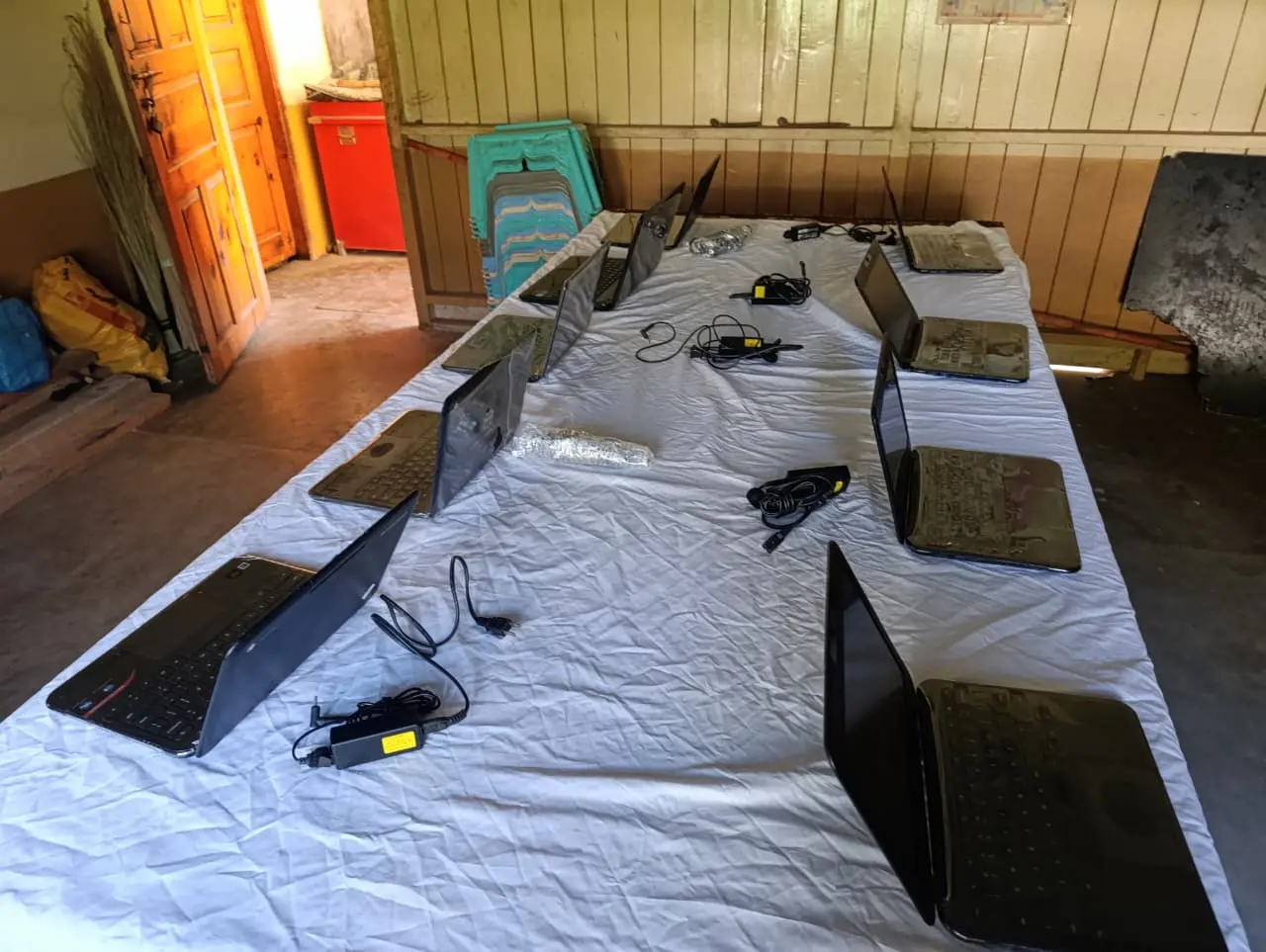
Computer lab

Beautiful campus view
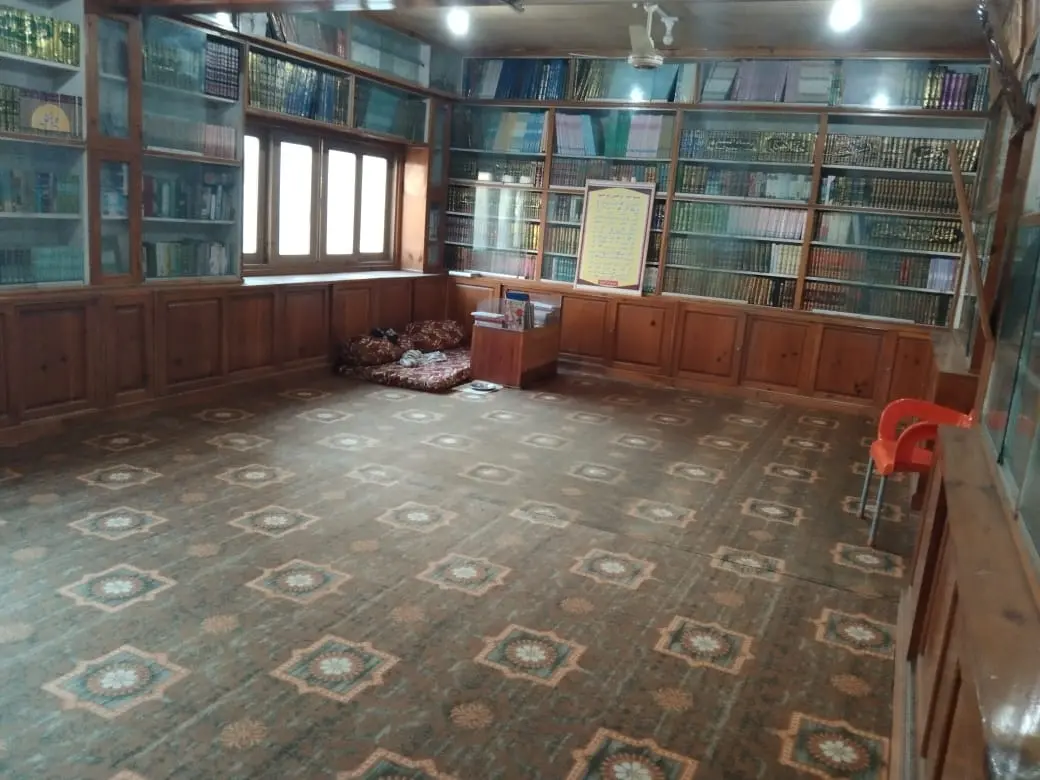
Library
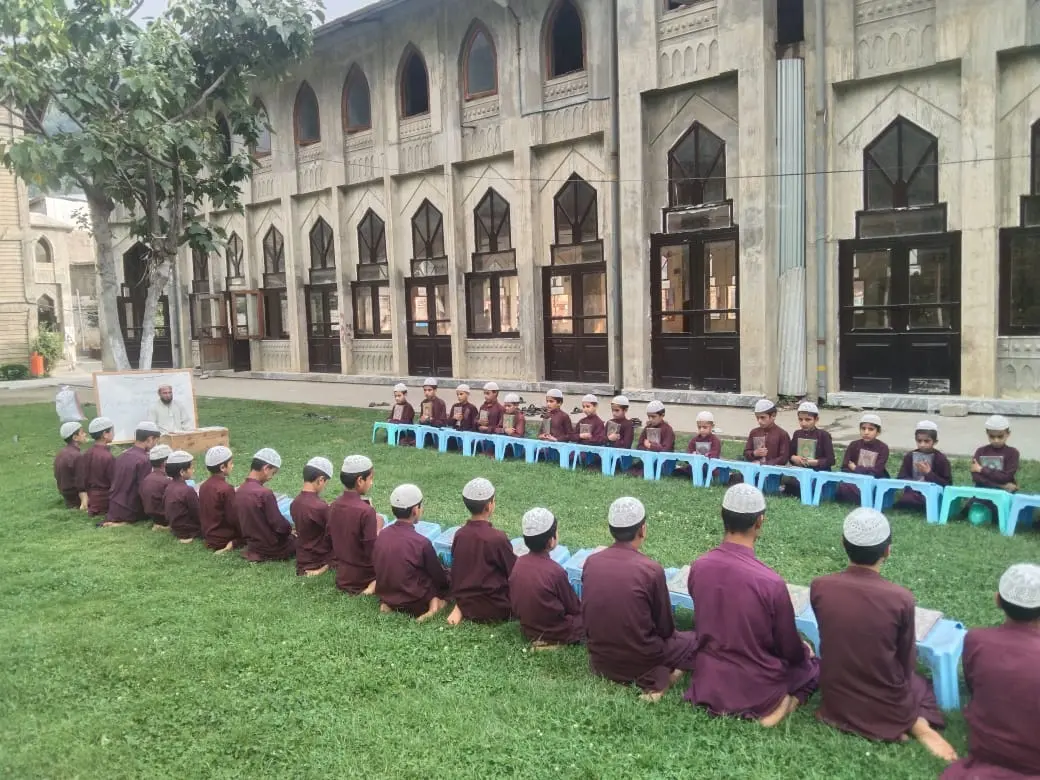
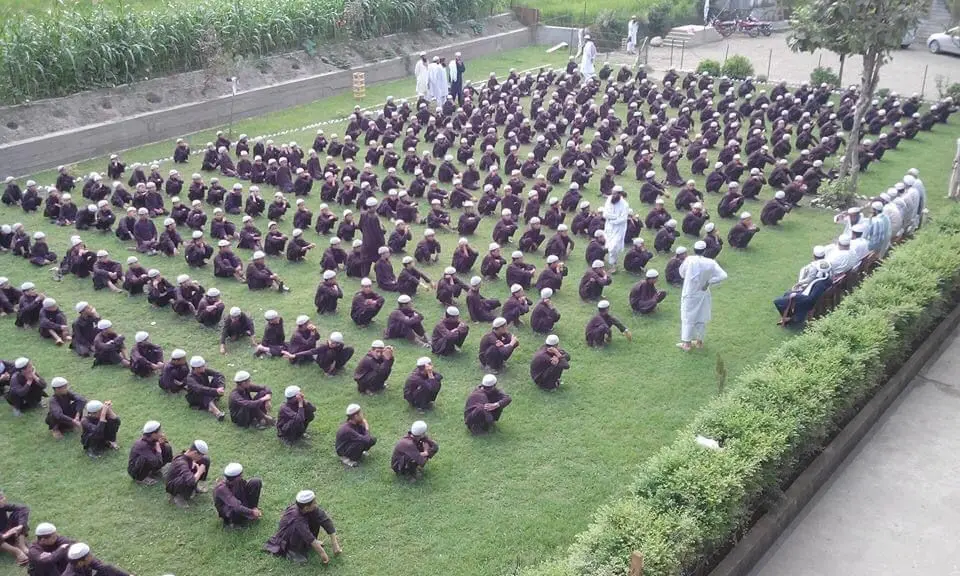
Spiritual environment
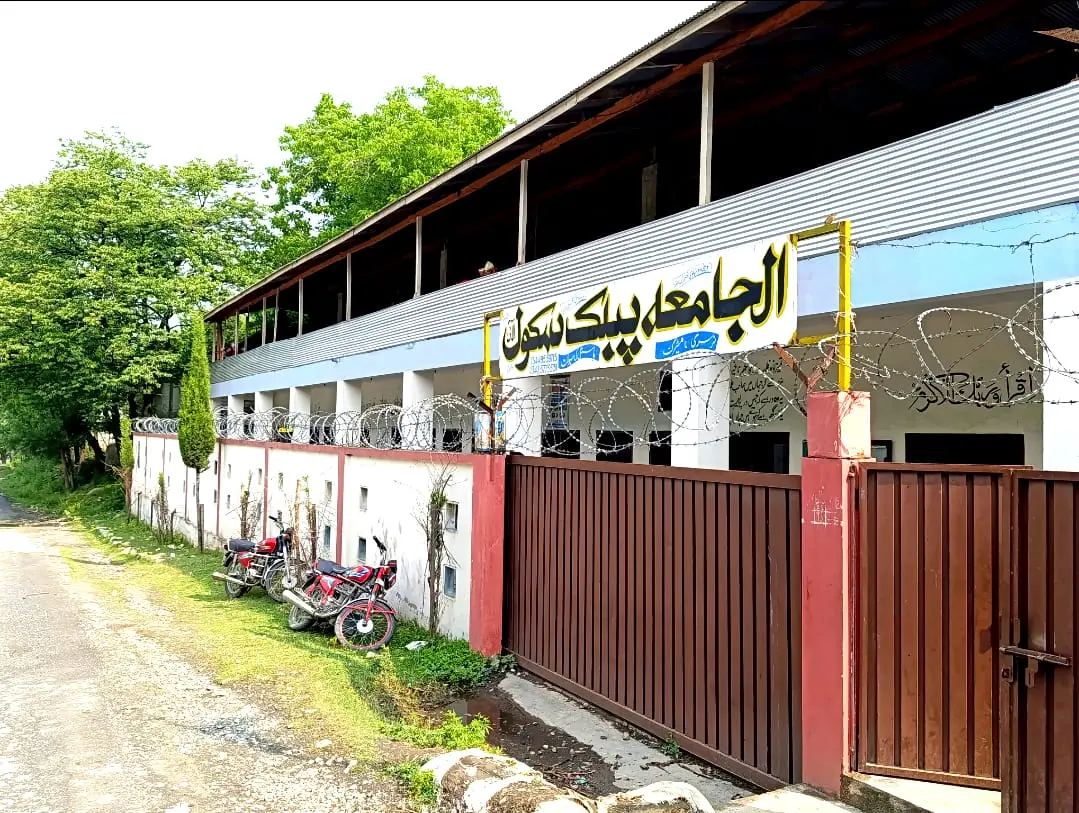
Aljamia public school
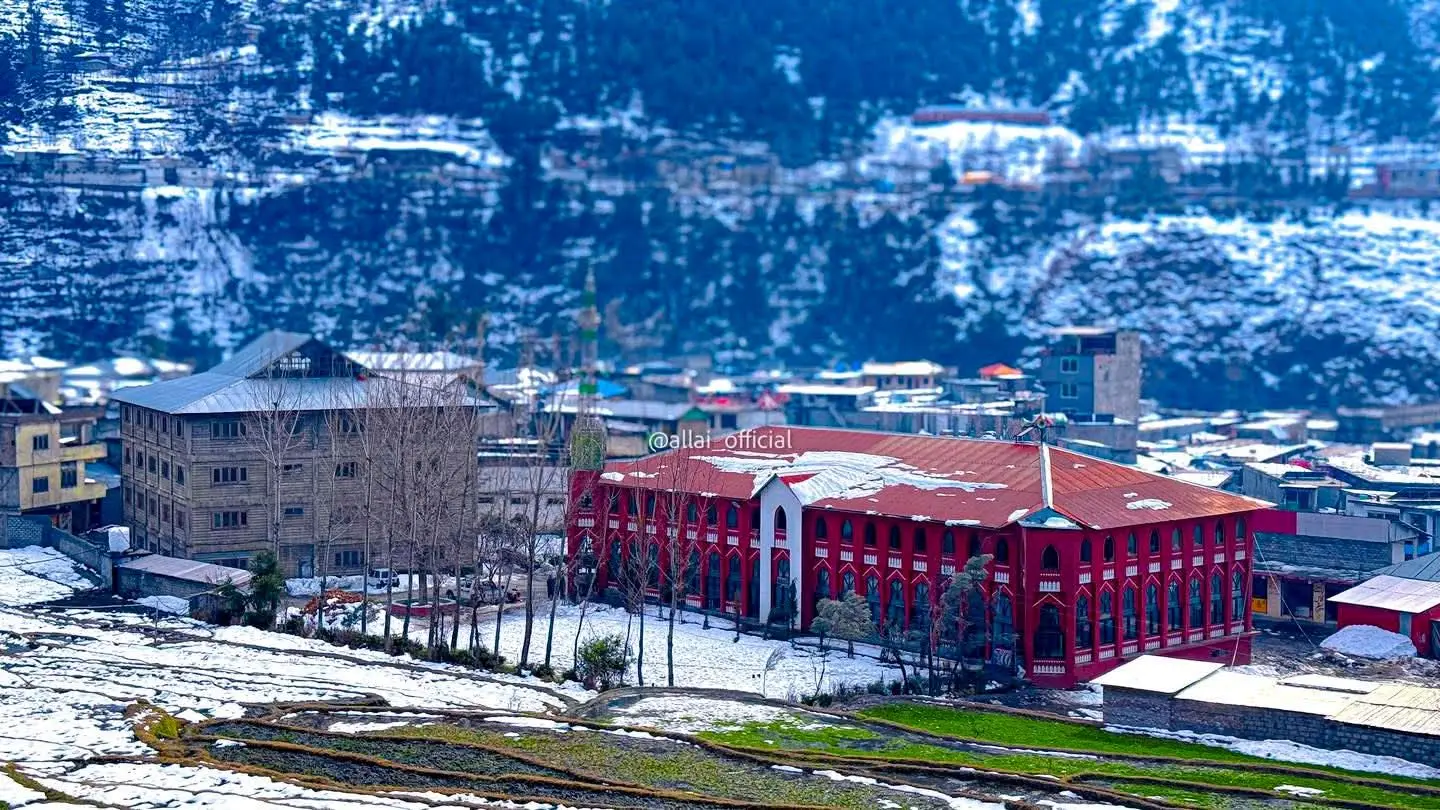
Beautiful campus view
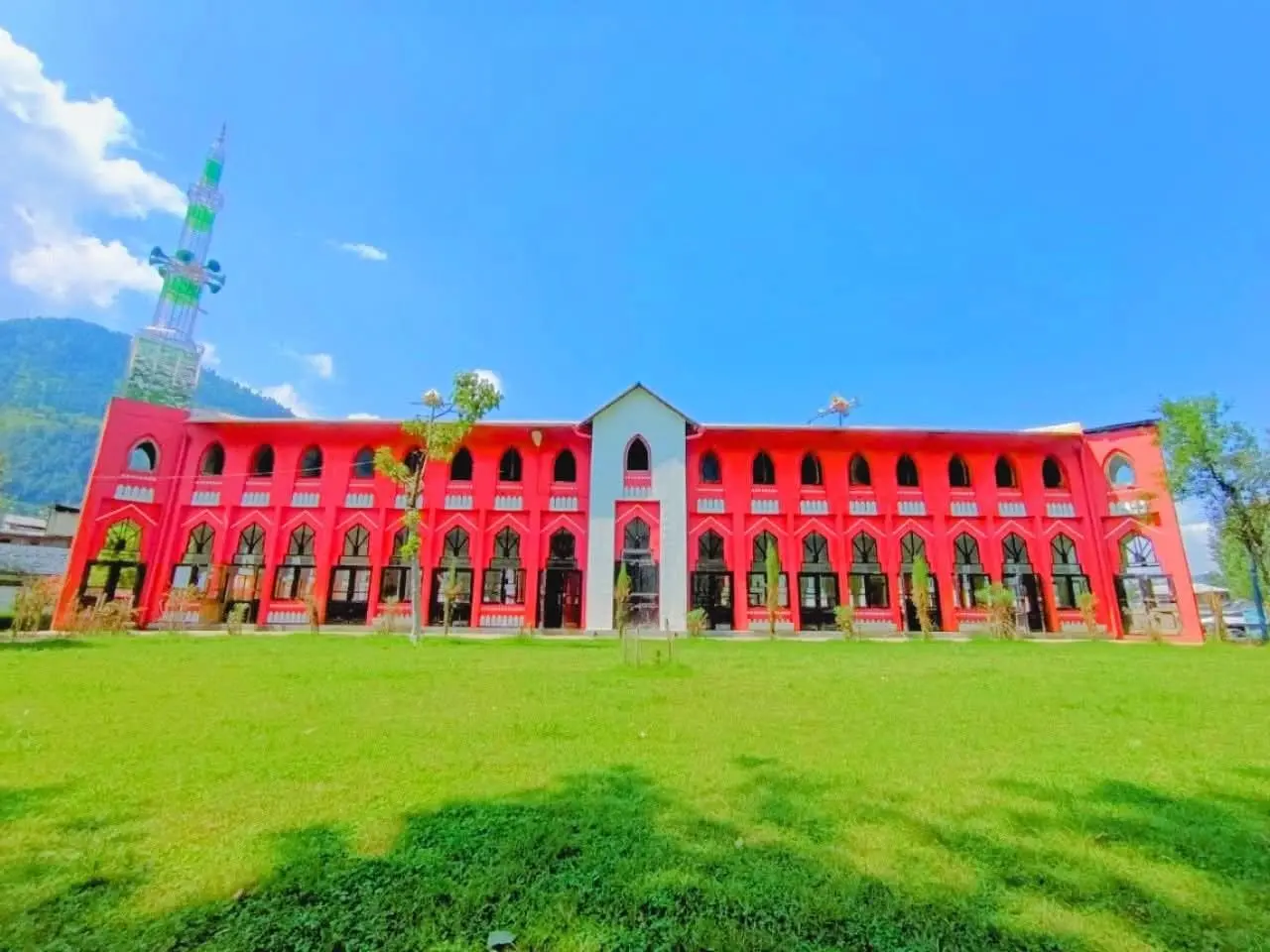
A Beautiful View of Baitur Rahman Grand Mosque